Marta Mirynowska Studio
Creators of the Wrocław Dwarfs
Original Wrocław Dwarfs — Bespoke Design and Sculpture
Marta Mirynowska is a sculptor and the creator of the Wrocław dwarfs, developing original urban sculptures and bespoke commissioned works.
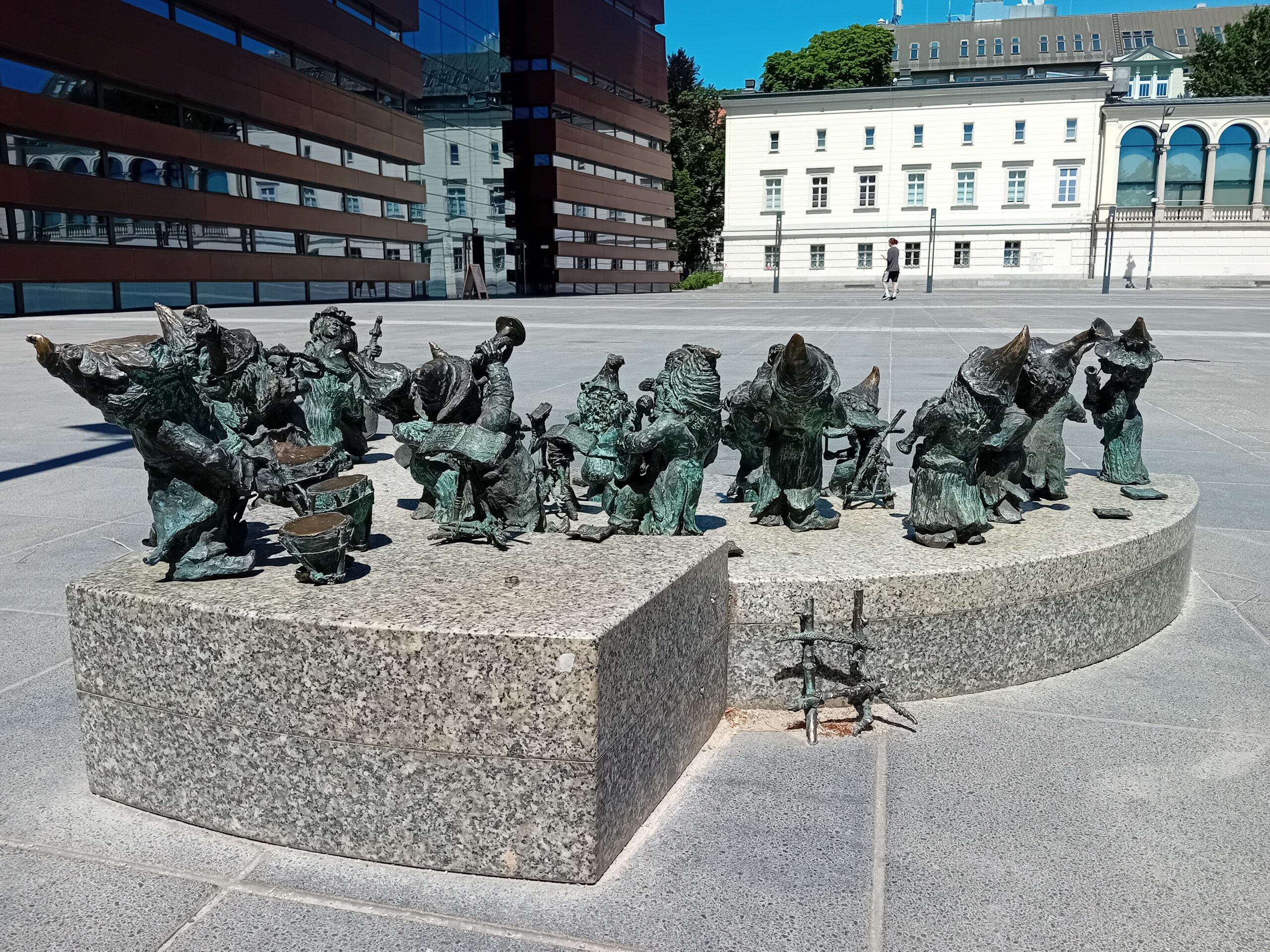
Since 2008, she has created Wrocław dwarfs and commissioned bronze sculptures for companies, public institutions and private clients. Beginning with the first figures in Wrocław’s Market Square — Ślepak (Blindo), Głuchak (Deafo) and Wózkers (Wheelio) — hundreds of original dwarf sculptures have been created in her studio. Her works have become a lasting part of Wrocław’s urban landscape and can be found at locations such as the National Forum of Music, the Wrocław Opera, the Main Railway Station and the University of Wrocław.
Dwarfs designed and crafted in her studio have also travelled beyond Poland — to the United States, Germany and Costa Rica — carrying a fragment of Wrocław’s spirit to different parts of the world.
Commissioned Sculptures
Planning a bespoke dwarf sculpture or an original work for public space?
Discover the collaboration process — from concept and design through to the final installation.
→ Commissioning Process
Dwarfs in the Urban Landscape
Wrocław’s dwarfs have gradually appeared in many of the city’s most meaningful locations. Over time they have become an integral part of the urban landscape — encountered during everyday walks, photographed by visitors, and often treated as small guides leading through the spirit and stories of Wrocław.
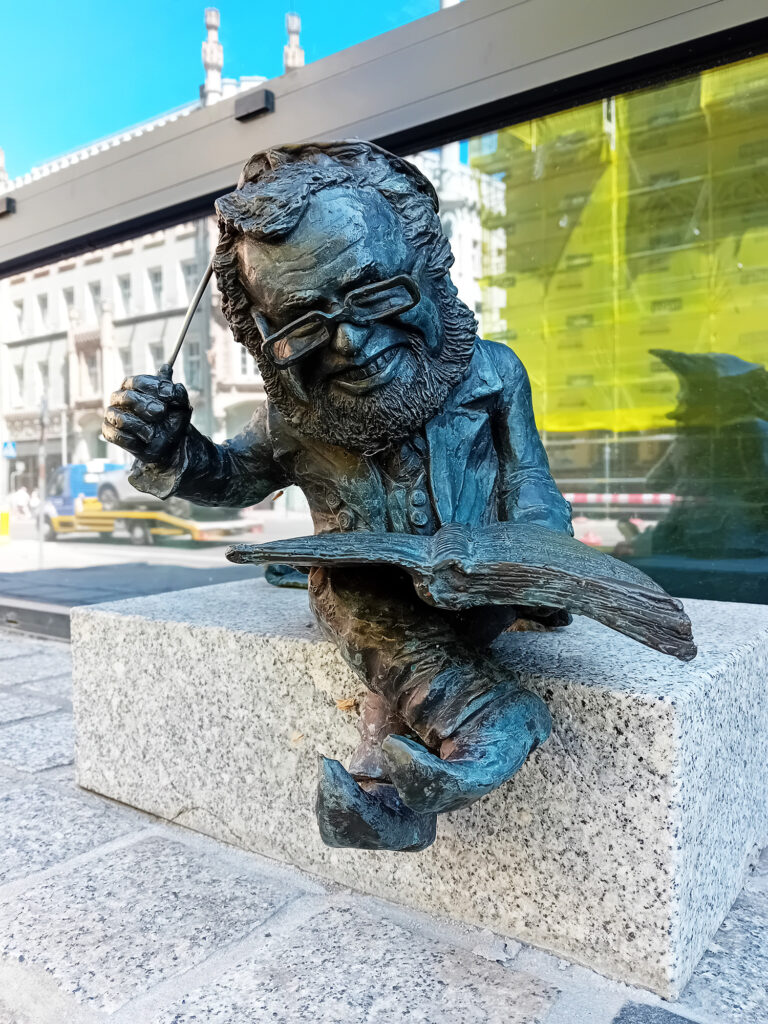
Some of the sculptures take on a deeply personal character, created in reference to specific individuals. One such example is the Szomol dwarf near the National Forum of Music, dedicated to Włodzimierz Szomański — a Wrocław musician and songwriter who for many years was closely connected with the city’s artistic community.
Each sculpture carries its own story. Every project emerges from the meeting of artistic sensitivity, sculptural craftsmanship, and thoughtful collaboration. The works are conceived individually, allowing the sculpture to respond naturally to the character and context of the place in which it appears.
From Idea to Lasting Form
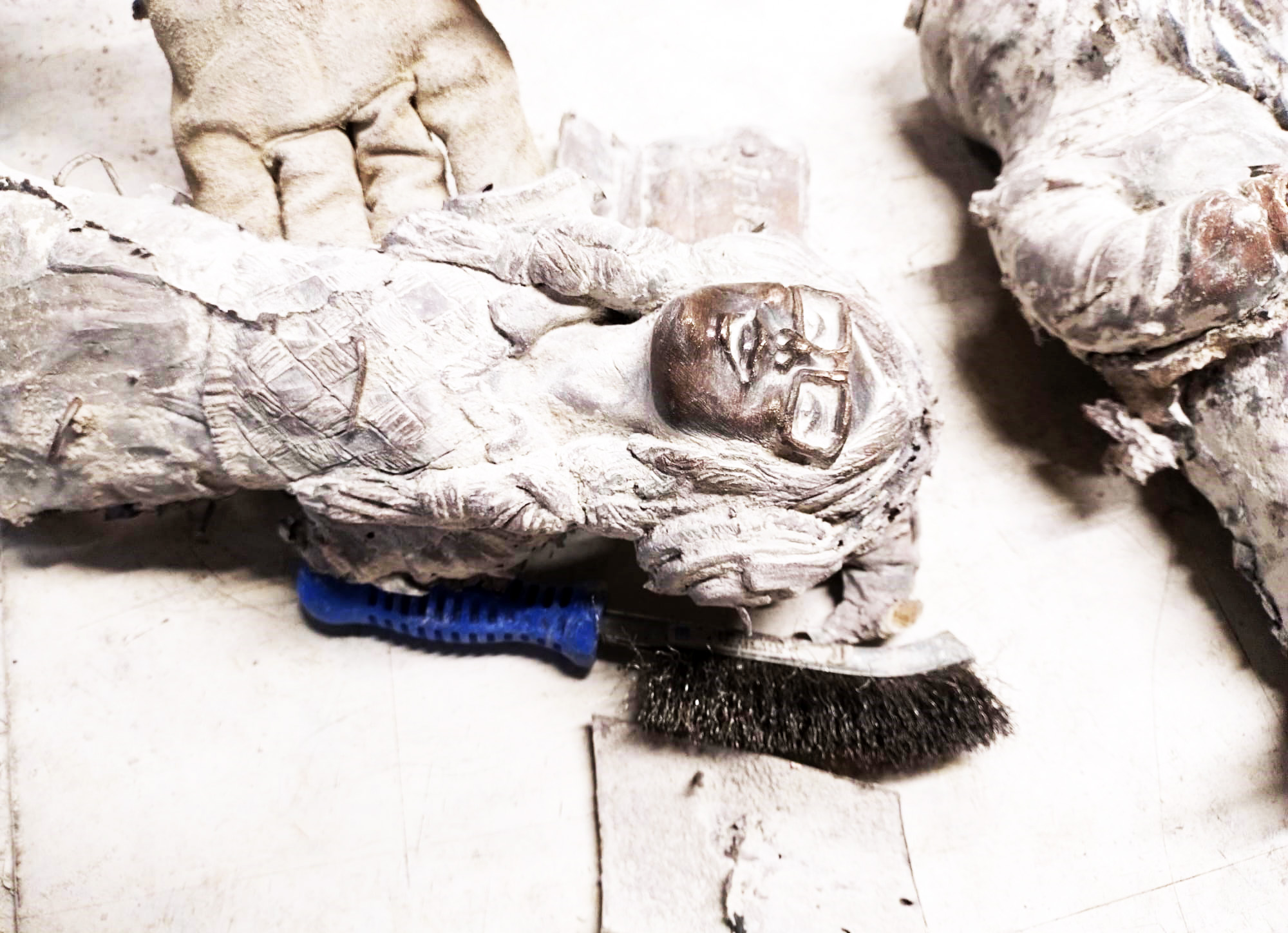
I approach each commission comprehensively, guiding the process from concept to completion. Every sculpture begins with an original idea and a hand-modelled form, before being cast in bronze — a material valued for its nobility, durability and ability to endure in public space for years.
The process includes design, casting and installation, carried out with careful attention to detail, proportion and craftsmanship. The result is a sculpture that naturally finds its place within its surroundings.
My work is rooted in traditional sculptural techniques, combining craftsmanship with experience developed over many years of creating Wrocław Dwarfs.
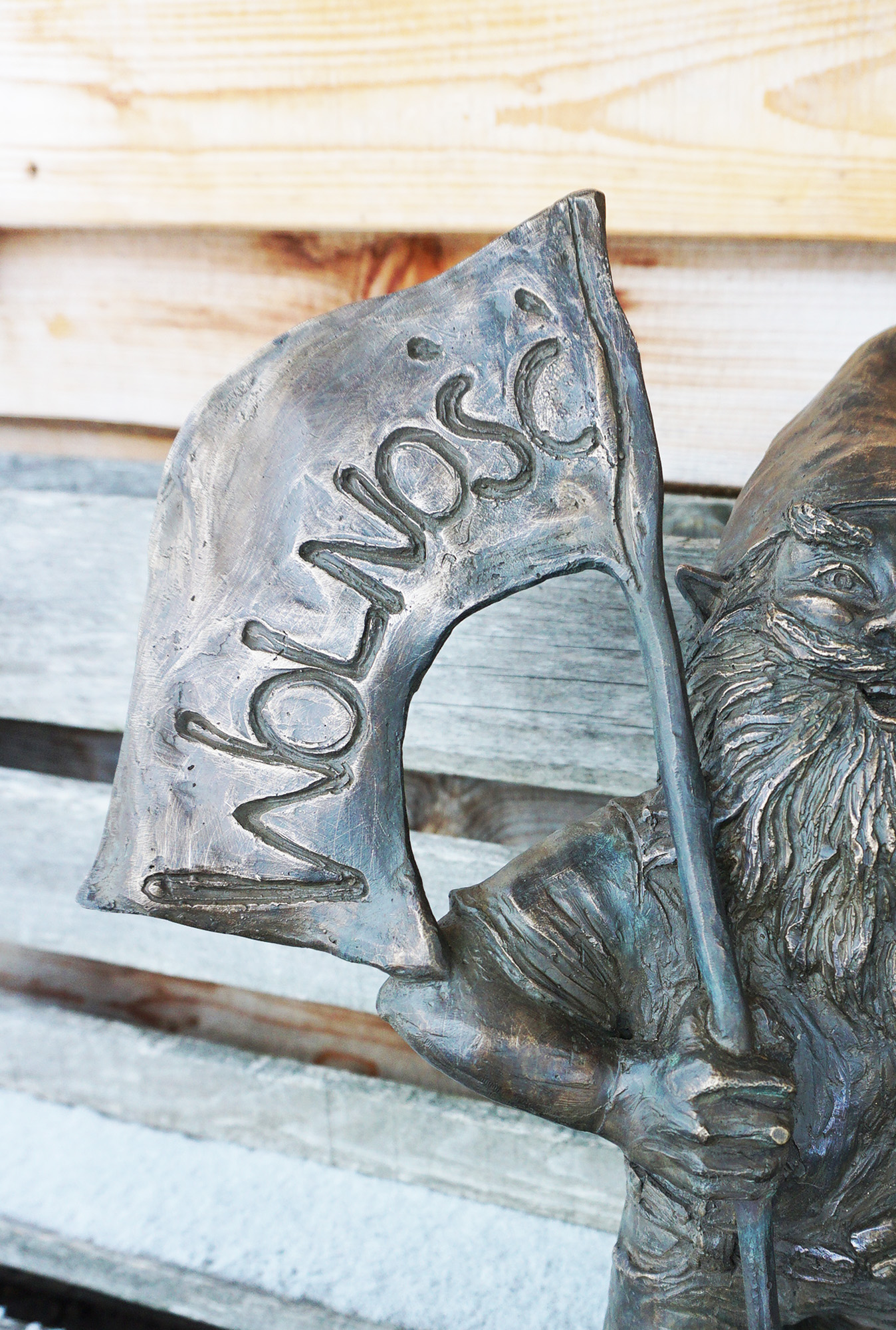
Spirits of Freedom
The dwarfs have become quiet guardians of the city, carrying the memory of a value that cannot be confined within any form — the idea of freedom. The motif of the dwarf in Wrocław traces its origins to the 1980s and is closely connected with the activities of the Orange Alternative movement, which used the image of the dwarf as a symbol of peaceful resistance against authority.
Over time, this idea found its way into the fabric of the city with a slightly different meaning, while preserving its natural lightness and humour. In this way, the dwarfs gradually became an enduring part of Wrocław’s identity.